When one of us hurts, we all feel it.
It’s the heaviness in the air after another headline. The silent tension in your body when you walk into spaces where you don’t know if you’ll be seen—or dismissed.
It’s the conversations in whispers, the exhaustion of carrying generations of survival, and the unspoken truth: trauma is not just individual. It is collective.
For Black and POC communities in America, this reality runs deep. From systemic racism and ongoing injustice to generational patterns of silence, survival, and resistance, the weight of collective trauma can feel overwhelming. And yet, within these same communities, there is something profoundly powerful: the possibility of healing in community.
This healing isn’t about quick fixes. It’s about remembering that we were never meant to carry it all alone.
Why community is important in healing?
Healing in community matters because trauma rarely happens in isolation.
When harm is systemic, it weaves itself into the daily fabric of life—whether through racial profiling, generational poverty, or subtle yet constant microaggressions. To face this weight alone often leads to isolation, shame, or burnout.
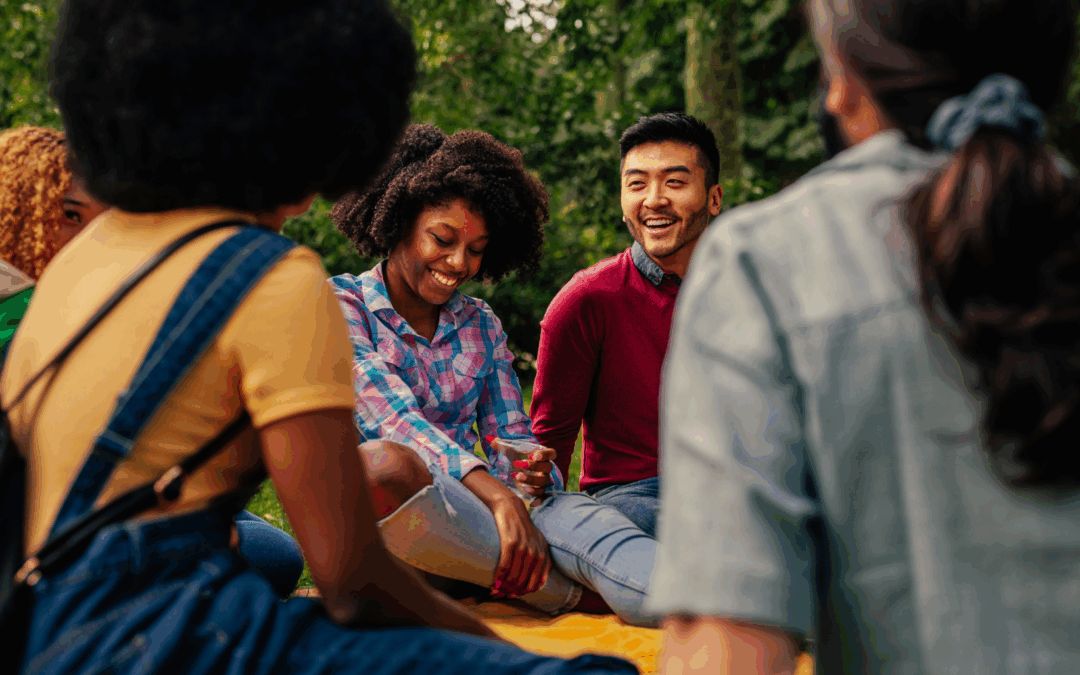
But when we gather—whether in living rooms, faith circles, activist spaces, or therapy groups—something shifts.
We realize: I am not the only one carrying this.
Community brings validation. Hearing someone else name the same pain you thought you had to bury is an act of liberation. Community brings resilience. Sharing resources, stories, and strength reminds us that our survival is not a solitary act but a collective one. And community brings accountability. Healing in community creates space to unlearn harmful patterns, relearn rest, and reimagine justice—not just for one person, but for all of us.
This is why healing in community is not just supportive—it is essential.
What is community healing?
Community healing is more than therapy groups or cultural events—it is a deep, intentional practice of repairing wounds together. For Black and POC communities, this might look like:
- Storytelling circles where elders pass down resilience alongside pain
- Community organizing that turns grief into collective power
- Healing justice practices like meditation, somatic work, or drumming rooted in ancestral traditions
- Spaces where joy itself becomes resistance—cookouts, dance, laughter, and art
Community healing recognizes that wellness cannot be separated from the systems we live in. It affirms that while therapy helps us individually, true transformation comes when communities reclaim their right to safety, joy, and rest together.
Healing in community means creating spaces where survival doesn’t have to be the only story—where thriving is possible, too.
What is the healing power of community?
The healing power of community lies in connection. When trauma disconnects—pulling us away from safety, from trust, from belonging—community repairs those ruptures.
For Black and POC communities navigating collective trauma, this power shows up in three ways:
- Witnessing: Being seen in your truth, without minimizing or denial. A community that says, “We believe you” and “We’ve been there, too.”
- Resourcing: Sharing not just emotional support, but tangible resources—meals, childcare, financial aid, protest organizing. This solidarity builds collective safety.
- Reclaiming joy: The healing power of community is not only in processing pain but in reclaiming joy as resistance. Music, art, spirituality, and laughter are not distractions from trauma—they are medicine.
When healing in community becomes the norm, people don’t just recover individually—they rise together.
What is the quote about healing in community?
There is a well-known quote often shared in conversations about collective care:
“The wound is the place where the Light enters you.” — Rumi
But within Black and POC communities, we often reframe it:
The wound is the place where we gather, and together we make room for the light.
Healing in community reminds us that while individual wounds may be personal, the act of tending to them can be communal. Another phrase often repeated in activist and healing spaces is
“If you want to go fast, go alone. If you want to go far, go together.”
This is the essence of healing in community. It’s not just about endurance—it’s about transformation through togetherness.
Final Thoughts: Healing in Community is Survival and Liberation
For Black and POC communities in today’s America, trauma is not a past tense—it’s lived in the present, woven through history and policy.
And yet, healing in community offers a path forward. It’s how we honor our ancestors’ resilience, how we resist erasure, and how we build futures rooted not in survival alone but in joy, love, and liberation.
Healing in community does not erase pain, but it transforms it. It reminds us that grief can sit beside laughter, that wounds can sit beside wisdom, and that healing is not just about the self—it is about the collective.
At its core, healing in community is a radical act. It tells the truth: you are not alone. Your story is not too heavy. Your presence matters. Together, we can hold the weight. Together, we can create space for rest, repair, and resistance.
Because healing in community isn’t just possible—it’s how we survive, how we thrive, and how we move closer to liberation.